Why Women’s Lifestyle Trends Keep Driving Pop Culture Conversations
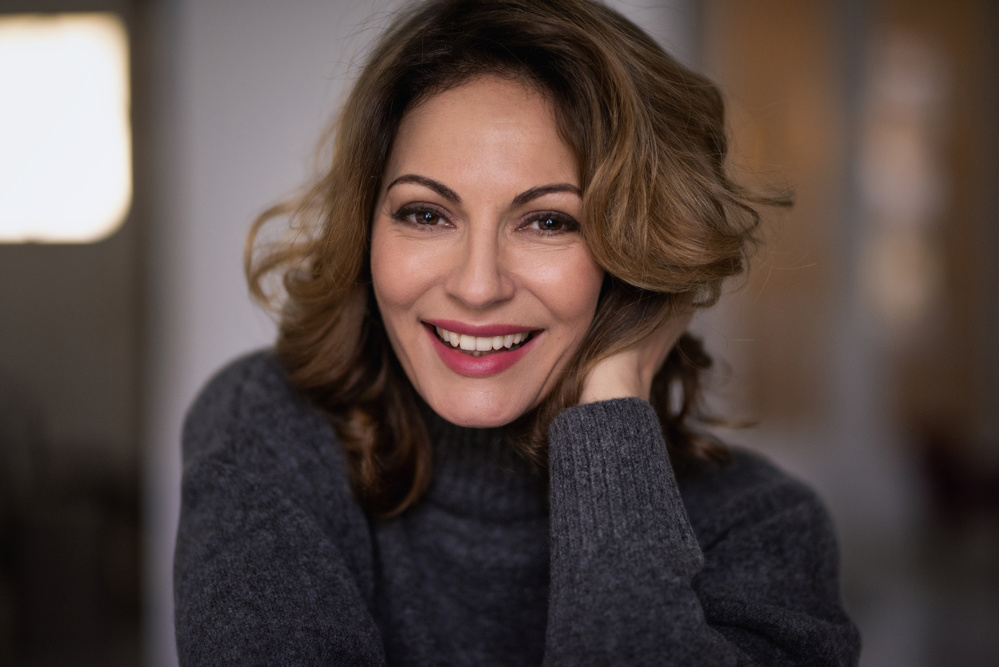
Women’s lifestyle trends continue to drive pop culture conversations not simply because women participate in culture—but because they shape how culture is discovered, shared, and sustained. From early fandoms to modern digital communities, women have consistently operated as cultural accelerators, turning niche interests into global phenomena.
This influence operates across multiple layers: emotional connection, aesthetic creation, and economic power. Whether through music fandoms, fashion aesthetics, or social media movements, women don’t just follow trends. They build the environments that allow trends to thrive. What may appear as “lifestyle” is often the foundation of larger cultural shifts.
How Teenage Girls Became Culture's Original Tastemakers
When you think about who shaped modern pop culture, teenage girls rarely get the credit they deserve—yet they've been calling the shots since the earliest days of Hollywood. These teenage tastemakers built the fandom foundations that sustained the star system for roughly fifty years.
They attend films obsessively, following stars' personal lives, and entering contests that defined what devoted fan culture looked like. Then came Beatlemania. Adolescent girls formed the vast majority of The Beatles' early fanbase, screaming at performances and creating one of history's first documented fandoms—only to get overshadowed once male critics finally caught on.
The pattern repeated itself with Justin Bieber and One Direction. Teenage girls consistently discover and elevate artists before mainstream audiences arrive, yet history keeps crediting everyone else. Recent research even links fandom participation to measurable gains in mental health and resilience among young women.
Why Women's Lifestyle Trends Now Dominate Pop Culture
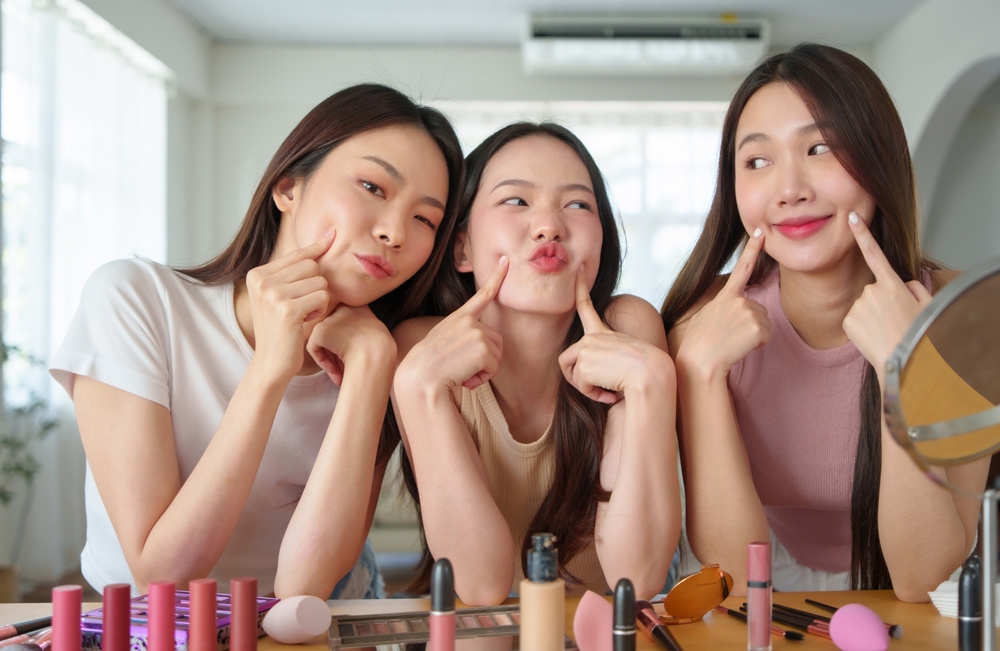
What was once dismissed as mere "girl stuff" now drives billion-dollar industries, shapes political conversations, and determines which artists, brands, and ideas break through to mainstream success. You're watching a cultural shift unfold in real time. Women's collective confidence has transformed lifestyle preferences into powerful market forces that brands can't ignore.
Your economic influence as a consumer, shapes everything from streaming content to fashion cycles. Consider the numbers: 72% of women report that media directly impacts their standards, and Gen Z women adopt trends at nearly double the rate of older adults.
Counter-stereotypical media portrayals fuel leadership aspirations and self-efficacy, proving lifestyle trends carry real societal weight. What you wear, watch, and celebrate isn't frivolous — it's a cultural statement with measurable consequence. Platforms like Instagram and TikTok function as virtual runways, instantly amplifying women's lifestyle choices into global conversations that reshape mainstream culture overnight.
How Social Media Spread Women's Lifestyle Trends Worldwide
Social media platforms have transformed the speed and scale of cultural influence. What once developed within small communities can now reach global audiences almost instantly. Women play a central role in this process, using platforms like TikTok, Instagram, and Pinterest to curate and distribute trends.
The mechanics are simple but powerful: visually engaging content attracts attention, which leads to sharing, replication, and adaptation. A single aesthetic—whether a makeup style or fashion trend—can spread rapidly through repeated reinterpretation.
Importantly, these platforms reward participation. Users don’t just consume trends—they recreate them, adding their own variations. This creates a feedback loop where trends evolve continuously rather than remaining static. Women’s active engagement in this cycle is what allows trends to scale and sustain visibility.
How Women's Lifestyle Trends Speak Through Fashion
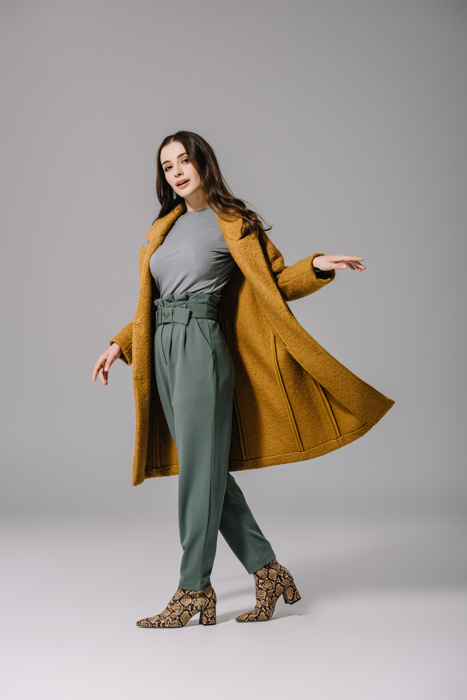
Fashion is where the scroll meets the sidewalk. What you see trending online shows up on your body before you realize it. In 2026, that means swapping quiet luxury for unapologetic maximalism. You're seeing bold silhouette choices dominate — baggy sculpted-shoulder suits, dramatic funnel necks, and chunky gold cuffs that demand attention.
Gold itself signals stability, replacing silver across accessories and cropped jackets inspired by Chanel's Spring 2026 collection. But maximalism doesn't always mean loud. The lace revival proves that. Lace maxi skirts, satin with lace edging, and airy lace trousers offer femininity without shouting.
Checked patterns are expanding into swimwear, gingham is climbing among women, and statement florals are growing fastest for women aged 25–40. Your wardrobe is fundamentally your personal cultural commentary. Double denim is another example of this, with the Canadian tuxedo cycling back through both Gen Z and millennial wardrobes in distinctly different but equally intentional ways.
Check out MrPopCulture.com and learn more about pop culture trends in women’s lifestyle.
Female Icons Who Rewrote the Cultural Playbook
Before the algorithm existed, women were already going viral — through stages, screens, and pages that rewrote what culture could look like. These women didn't wait for permission; they created it.
Maya Angelou transformed personal trauma into universal truth, giving voice to resilience, racial equality, and womanhood through poetry and autobiography that still resonates today. She proved storytelling could dismantle barriers. Lucille Ball didn't just star in I Love Lucy — she owned the studio behind it, becoming the first woman to run a major production company. She turned ambition into infrastructure.
These icons remind you that cultural shifts don't happen accidentally. They happen because someone bold enough decided to rewrite the rules — and made the world pay attention. Aretha Franklin embodied that same force, becoming the first female inductee into the Rock & Roll Hall of Fame and cementing her legacy as more than a voice — but a cultural turning point.
How Women's Lifestyle Trends Built Entire Fan Economies
What started as lifestyle content — workout routines, fashion hauls, game-day fits — quietly rewired how money moves through culture. Women now control 85% of consumer spending, and that purchasing power didn't stay passive. It built something structural.
Community Economies emerged when fans stopped consuming and started curating. Women's sports viewership nearly tripled since 2020, and 84% of women sports fans drive sports-related purchase decisions. Brands that ignored this lost ground fast — 66% of women fans say sports organizations still don't understand them.
The Micro Influencers Movement accelerated this shift by connecting authentic voices directly to buyers. Eight of the top ten social media engagement properties during May and June 2025 were WNBA teams. That's not coincidence. That's coordinated fandom functioning as economic infrastructure. Studies project 250% revenue growth across U.S. women's sports by 2030, fueled by an affluent, brand-loyal fanbase already demonstrating outsized spending power.
Why Media Still Controls What Female Success Looks Like
Despite record-breaking box office returns — films with female leads grossed 15.8% more on average than male-led ones — media still decides what female success looks like, and the image it's projecting is increasingly narrow. Media narratives shape success metrics through patterns you see constantly:
- Female protagonists dropped from 42% to 29% of top-grossing films in just one year
- Male characters received double the screen time in top 100 films
- Women represent only 24% of expert voices in global news
- 50% of people agree media reinforces gender stereotypes
- Only 13% of directors on top films are women
You're consuming content built mostly by men, about men, for profit. Until women control more production decisions, media narratives will keep defining female success on someone else's terms. In fact, women make up just 38.7% of characters in comedy films, further illustrating how underrepresented female perspectives remain even in genres designed for broad audiences.
The Women Who Took Over Pop Culture's Own Story
Something shifted in 2026: women stopped waiting for permission to define their own success stories and started writing them. You're watching narrative reclamation happen in real time. Teyana Taylor earned Hollywood acclaim through One Battle After Another while landing on TIME's Women of the Year cover.
Olivia Dean debuted at number one on the UK albums chart, becoming the first British woman to achieve that since Adele in 2021. Erin Doherty won an Emmy for Adolescence, sparking urgent conversations about masculinity and radicalisation. Lily Allen returned after seven years, fueling sold-out tours through iconic collaborations with theatre and arena platforms.
These women didn't inherit cultural space—they claimed it. You're not just watching trends; you're witnessing a deliberate rewriting of who gets to shape pop culture's direction. TIME's annual feature now spotlights both widely acclaimed figures and lesser-known changemakers shaping a more equitable world.
The Role of Aesthetic Creation in Driving Trends
Aesthetics have become one of the most powerful drivers of modern culture. Visual styles—color palettes, textures, and compositions—spread rapidly across platforms, shaping how trends are perceived and adopted.
Women play a central role in creating and refining these aesthetics. Platforms like Pinterest and TikTok function as visual laboratories where ideas are tested, adapted, and shared. Trends like cottagecore, coquette, and minimalism emerge from this process.
Aesthetics are powerful because they are accessible. They allow individuals to participate in culture through visual expression, making trends easier to adopt and replicate.
How Micro-Communities Turn Trends Into Movements
Before trends become mainstream, they often develop within smaller, tightly connected communities. These micro-communities act as testing grounds where ideas are refined and shared.
Women frequently lead these spaces, building communities around shared interests such as fashion, wellness, or fandom. These groups create their own language, rituals, and norms, which strengthen engagement.
As these communities grow, their ideas begin to spread outward. What starts as a niche interest becomes a broader cultural movement, driven by collective participation rather than centralized promotion.
The Emotional Layer of Cultural Influence
One of the most overlooked aspects of women’s influence is its emotional dimension. Trends are not just adopted because they look appealing—they resonate on a deeper level.
Whether through nostalgia, aspiration, or connection, women’s lifestyle trends often carry emotional meaning. This emotional layer strengthens engagement, making trends more memorable and impactful.
It also explains why certain trends endure while others fade. When a trend connects emotionally, it becomes more than a passing moment—it becomes part of how people understand themselves and their place in culture.
Which Women's Lifestyle Trends Will Define Culture Next?
The next wave of women's lifestyle trends is already taking shape—and it's deeply personal. From fashion to fitness, you're seeing culture shift toward individuality and intention. Personalized Wellness isn't just a buzzword—it's replacing generic advice with data-driven protocols built around female biology. Meanwhile, the Fringe Revival adds playful texture to how you express identity through style.
Here's what's quietly redefining everyday life:
- Ovary-focused longevity research is reshaping how you understand your healthspan
- AI wearables now track hydration and modify your sleep and workouts
- Runcations blend racing, travel, and community into one experience
- Creatine and functional fiber are entering your mainstream nutrition routine
- Micro-therapy delivers measurable mental health results in a single session
These aren't passing moments—they're building the next cultural conversation. Sixteen new creative directors debuted at major fashion houses this season, signaling one of the most significant reshuffles the industry has seen in years.
Conclusion
Women’s lifestyle trends continue to shape pop culture because they operate at every level of cultural creation—from discovery to amplification to economic impact. What may appear as everyday choices—what to wear, watch, or share—are actually part of a larger system of influence.
The key shift is this: culture is no longer dictated from the top down. It is built through participation, adaptation, and community. Women are central to that process, not as passive consumers, but as active creators. And as long as culture continues to evolve through shared experience, their influence will remain at its core.