Why Every Woman Needs a Beauty Calendar for Better Self-Care
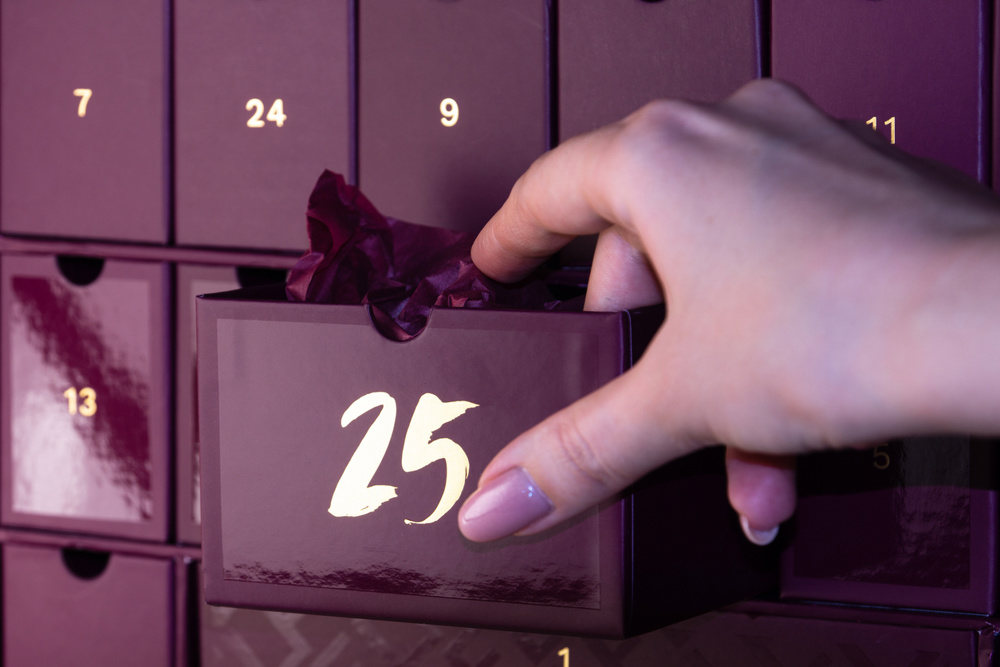
A beauty advent calendar is no longer just a festive novelty—it has evolved into a structured, intentional form of self-care. What began as a seasonal tradition has been reimagined into a daily ritual that combines skincare, discovery, and emotional reward. Instead of a one-time indulgence, it offers a consistent experience that unfolds over time.
This shift reflects a broader change in how self-care is approached. Rather than relying on occasional resets, many women are prioritizing small, repeatable habits that feel both manageable and meaningful. A beauty calendar fits naturally into this mindset, turning each day into a moment of attention and care.
What Is a Beauty Advent Calendar?
A beauty advent calendar is a curated collection of skincare, makeup, fragrance, and sometimes wellness products, divided into daily compartments that are opened one at a time—typically throughout December. Inspired by traditional advent calendars, it replaces chocolates with beauty items, transforming a simple countdown into a layered experience.
Over the past decade, these calendars have grown in popularity, becoming highly anticipated seasonal releases. Many are limited-edition, featuring a mix of travel-sized and full-sized products from well-known brands. This exclusivity adds to their appeal, making them feel both collectible and time-sensitive.
What distinguishes beauty calendars from standard gift sets is their structure. Instead of receiving everything at once, the experience is extended across days or weeks. This pacing introduces a sense of anticipation, turning consumption into a process rather than a single event.
Why Beauty Advent Calendars Appeal to Women Most
While chocolate advent calendars still hold their own, beauty versions have carved out a dominant space in the holiday market — and women are leading that charge. Women account for 68% of total demand, and it's easy to see why. Beauty calendars tap into both emotional connection and gifting culture in ways other categories simply don't.
Here's what drives that appeal:
- Self-care rituals feel intentional and rewarding daily
- Gifting culture makes beauty calendars easy, thoughtful choices
- Skincare holds 34% of revenue, reflecting real product priorities
- Perceived value exceeds retail cost, creating urgency to buy
You're not just opening a window — you're building a routine. That's why beauty advent calendars resonate so deeply with women every holiday season. In fact, Charlotte Tilbury ranks as the most searched-for beauty advent calendar, reflecting just how powerfully certain brands connect with women's seasonal priorities.
Be sure to check out tools to build your own custom calendars today!
What You Actually Get Inside a Beauty Advent Calendar
Opening a beauty advent calendar feels nothing like unwrapping a generic gift set. Each door hides carefully curated products spanning skincare, makeup, fragrance, and hair care — not just throwaway sample sizes, but genuinely useful items you'd actually buy.
Take the Lookfantastic calendar: it includes 17 full-size products worth over £655 for just £105. You're getting things like Charlotte's Magic Serum Crystal Elixir, Medik8's intensely hydrating serum, and Sol de Janeiro's addictive perfume mist. The surprise reveals keep coming — mascara, eyeliners, silk scrunchies, candles, and even overnight lip masks show up throughout the countdown.
Some calendars, like Liberty's, even tuck in Golden Tickets worth £1,000. Others, like IPSY, feature cult brands like Drunk Elephant and Huda Beauty. Every calendar delivers real variety and real value. Charlotte Tilbury's Beauty Treasure Chest, a 12-door beauty advent calendar worth $314, is one standout example of just how luxurious these curated countdowns can get.

How Beauty Advent Calendars Encourage Product Discovery
One of the most valuable aspects of a beauty advent calendar is its ability to introduce products you might not have chosen on your own. Instead of relying on familiar brands or routines, the calendar exposes you to a curated mix of items across different categories, price points, and formulations.
This element of discovery expands your understanding of what works for you. You may find a serum that performs better than your usual one, or a fragrance that becomes part of your daily routine. Because the products are introduced gradually, each one gets attention, making it easier to evaluate its effectiveness.
Over time, this process builds confidence in decision-making. Instead of guessing what to buy next, you’re making informed choices based on direct experience. The calendar becomes not just a collection of products, but a tool for refining your personal beauty preferences.
How a Beauty Advent Calendar Builds Your Skincare Routine
Beyond gifting you new products to try, a beauty advent calendar can actually help you build a skincare routine that works. Through stepwise onboarding, you introduce one product at a time, which prevents irritation and helps you track what's effective. Daily reveals naturally support habit reinforcement, keeping your routine consistent throughout the season.
Here's how the calendar structures your routine:
- Start with active serums like vitamin C or AHAs separately before layering others.
- Match products to your skin type — skip oily cleansers if you have dry skin.
- Layer correctly — apply masks, serums, and moisturizers in sequence.
- Integrate gradually — don't replace your existing routine entirely; build upon it.
Patience over the 24 days delivers better results than rushing everything at once. For example, routines targeting dark spots benefit from incorporating a brightening serum applied directly to dark spots three times a week for visible improvement.
What Makes a Beauty Advent Calendar Worth the Price?
Building a skincare routine with an advent calendar is rewarding, but you'll want to make sure the calendar itself is worth your money before committing. Cost justification starts with comparing retail value against the purchase price. Sephora's $99 calendar delivers $269 in perceived value, while Lancôme's $220 set includes seven full-size products worth $480. That's a significant return.
Beyond numbers, brand trust matters. Established names like YSL and Tatcha signal quality, even when products are minis. The unboxing experience also adds intangible worth—Cult Beauty's premium packaging justifies its $13.50 daily cost for many shoppers.
Don't overlook discount codes like ADVENT25, which can save you nearly $100. Stock sells out fast, so once you've confirmed the value, act quickly. The Harvey Nichols Beauty Advent Calendar 2025, priced at £250, contains 37 products from brands including Charlotte Tilbury, Le Labo, La Prairie, and Sisley Paris, representing a value of over £1,000.
The Role of Packaging and Presentation in the Experience
Beyond the products themselves, the design of a beauty advent calendar plays a crucial role in its appeal. Packaging transforms the calendar into something more than functional—it becomes decorative, collectible, and emotionally engaging.
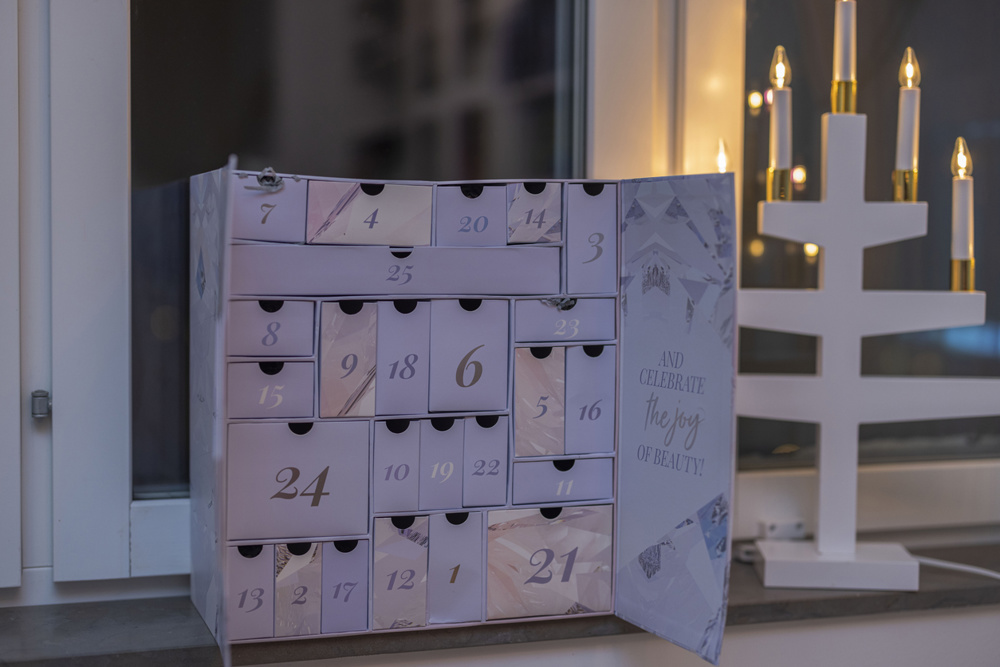
Many calendars are designed to resemble drawers, boxes, or keepsake cases, encouraging reuse long after the products are gone. This adds another layer of value, as the packaging itself becomes part of the experience. The visual presentation also enhances anticipation, making each interaction feel more intentional.
This focus on design reflects a broader trend in beauty culture, where aesthetics are just as important as performance. The way a product is presented influences how it is perceived, turning everyday use into something that feels elevated and curated.
How Beauty Advent Calendars Pay Off After December
The value of a beauty advent calendar doesn't stop on December 25th. Your post-holiday beauty stash keeps working long after the festive season ends. With 24 products supporting product rotation across months, you're delaying full-price repurchases by 1–2 months minimum.
Here's how your investment pays off:
- Cost savings – $149 yields $229 in retail value, a 53% surplus
- Travel readiness – beauty organization travel sized minis eliminate separate purchases
- Extended supply – full-size items cover 3–6 months of daily use
- Routine variety – rotating blushes, mascaras, and skincare prevents stagnation
The Psychology of Anticipation and Daily Reward
One of the most powerful aspects of a beauty advent calendar is its ability to create anticipation. The act of waiting to open each day’s compartment introduces a small but meaningful moment of reward, reinforcing positive engagement.
This daily anticipation mirrors broader behavioral patterns. When rewards are spaced out over time, they tend to feel more satisfying and memorable. Each product becomes part of a sequence, rather than a single, forgettable experience.
This structure transforms the calendar into more than a product—it becomes an emotional experience. It encourages mindfulness, making each interaction feel intentional rather than automatic.
Beauty Calendars as a Form of Structured Self-Care
In a time when self-care often feels abstract or overwhelming, beauty advent calendars introduce clarity through structure. By offering one product per day, they remove the need to plan, research, or decide—turning self-care into a guided experience rather than an open-ended task.
This simplicity lowers the barrier to entry, making it easier to engage consistently without feeling pressured to “do it perfectly.” This structure is especially helpful for building habits. Instead of sporadic or inconsistent routines, the calendar creates a rhythm—something you return to daily.
Over time, these small actions accumulate, reinforcing a sense of stability and control. What begins as a seasonal activity can evolve into a longer-term approach to self-care, where consistency matters more than intensity.
The Influence of Social Media on Beauty Calendar Culture
Social media has transformed beauty advent calendars from seasonal products into highly visible cultural experiences. Platforms like TikTok, Instagram, and YouTube amplify their appeal through unboxing videos, daily reveals, and honest reviews, turning each calendar into a form of serialized content.
Instead of being experienced privately, the process becomes something shared and observed in real time. This visibility creates momentum. As more users post their daily openings, others become curious, inspired, or influenced to participate. The repetition of these posts builds familiarity, making beauty calendars feel like a standard part of the holiday season rather than a niche purchase.
At the same time, it adds a communal layer to the experience. People engage with others who are opening the same products, comparing reactions, favorites, and routines. This shared participation turns a personal activity into a collective one, reinforcing the idea that beauty—and self-care—can be both individual and social at once.
Conclusion
Beauty advent calendars represent more than a seasonal trend—they reflect a shift toward intentional, structured self-care. By combining routine, discovery, and emotional engagement, they offer a way to integrate beauty into daily life in a meaningful way.
Their appeal lies in their balance. They are both practical and indulgent, structured yet flexible, personal yet shareable. This combination allows them to function as more than just products—they become part of a larger lifestyle.
In the end, what makes them valuable is not just what’s inside each compartment, but what they create over time: a habit, a routine, and a renewed sense of attention to everyday care.