What Makes Women’s Lifestyle Culture So Influential? Interesting Facts to Know

Women’s lifestyle culture has become one of the most influential forces shaping modern society—not because it is driven by institutions, but because it is built on trust, shared experience, and community participation. Unlike traditional systems of authority, which rely on hierarchy and expertise, this culture grows through conversation, relatability, and lived reality.
At its core, this influence comes from how information is exchanged. Women are not just consuming content—they are interpreting, adapting, and redistributing it within networks that prioritize connection over credibility alone. This creates a system where ideas move quickly, evolve constantly, and gain strength through repetition and shared validation.
The Digital Communities Quietly Shaping Women's Health Decisions
Women's health decisions are increasingly being shaped in places you mightn't expect — not in doctor's offices, but in online communities where 79% of women report finding genuine emotional support. Spaces like r/WomensHealth give 80% of women a safe environment to exchange experiences and follow peer led guidelines that often influence real decisions.
You'll find conversations covering fitness, nutrition, mental health, and menopause dominating these platforms, with 60% of women actively sharing health news and 48% discussing personal health publicly. This online solidarity isn't passive — it's driving action. Women aren't just scrolling; they're learning, questioning, and making informed choices based on what others share.
Trust in these spaces is notably fragmented across sources, with women drawing from a mix of clinicians, online communities, and social creators rather than relying on any single authority. These digital communities have quietly become one of the most powerful forces shaping how women approach their health today.
Why Gen Z Trusts Peers Over Professionals on Health Topics?
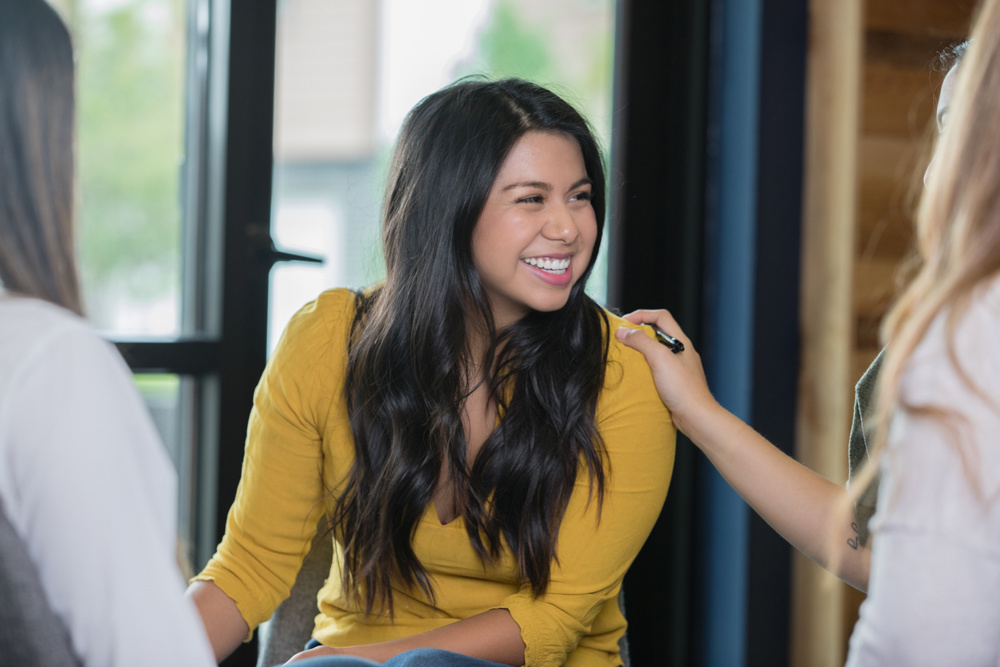
Gen Z approaches information differently from previous generations. Growing up in a digital environment, they are accustomed to evaluating multiple sources simultaneously rather than relying on a single authority. This has shifted how trust is formed, particularly in areas like health.
Peer-generated content often feels more accessible. When someone shares their personal experience, it provides a narrative that is easier to understand and relate to. This does not necessarily replace professional advice, but it can influence how that advice is interpreted.
The result is a more decentralized model of trust. Instead of a single authoritative voice, individuals draw from a network of perspectives—medical professionals, creators, and community members. This approach reflects a broader cultural shift toward participation and interpretation, rather than passive acceptance.
How Women's Lifestyle Culture Turned Health Tracking Into a Power Move
Across gyms, group chats, and wellness feeds, health tracking has become one of the most visible expressions of women's lifestyle culture—and it's no longer just about logging steps. 85% of women under 30 now track health data using apps, wearables, and diagnostic tools, monitoring everything from cycle patterns and hormones to sleep, stress, glucose, and heart rate.
This shift reflects a deeper drive toward data empowerment—understanding the why behind your body's signals, not just collecting numbers. Femtech now captures measurable biomarkers, closing long-standing evidence gaps in menstrual and hormonal health. As biomarker literacy grows, you're better equipped to spot patterns, anticipate issues, and walk into appointments with context.
With 66% of clinicians already acting on patient-submitted data, tracking isn't just personal—it's clinically relevant. Researchers are also exploring how longitudinal wearable data streams connect to reproductive and hormonal health across the lifespan, with potential applications ranging from gestational diabetes monitoring to osteoporosis tools and earlier cancer detection.
How Women's Lifestyle Culture Replaced the Corner Office With Community
Something is shifting in how women define professional success—and it's moving away from corner offices and climbing hierarchies. Women leaders are replacing top-down authority with community leadership, building workplaces rooted in connection rather than control.
You're seeing this play out in real numbers. Women executives are 42% more likely to create inclusive environments and 29% more likely to help employees navigate work-life challenges. Their relational influence drives mentorship programs, flexible policies, and open communication that actually reduce turnover and raise productivity.
Companies with women in the C-suite are 30% more likely to outperform competitors. That's not coincidence—it's the result of leadership that prioritizes people over hierarchy. When women lead, the culture shifts from climbing ladders to building communities. Yet this progress exists alongside a persistent narrative that frames workplace inequities as a failure of women's ambition or confidence, a dynamic that author Ruchika T. Malhotra challenges through her work on intersectional inclusion strategy.
Why Women's Lifestyle Culture Made Boundary-Setting a Collective Demand?
Boundary-setting has moved from a private struggle to a widely discussed topic within women’s lifestyle culture. Conversations around burnout, emotional labor, and personal limits have become more visible, allowing individuals to recognize shared challenges.
This visibility transforms individual experiences into collective understanding. When people see others expressing similar concerns, it validates their own feelings and encourages change. Boundary-setting becomes less about individual resistance and more about cultural awareness.
As a result, expectations are shifting. Saying “no,” prioritizing rest, and redefining obligations are increasingly seen as necessary rather than optional. This shift reflects a broader movement toward sustainability in both personal and professional life.
Put your knowledge to the test with more fun women lifestyle trivia.
The Workplace Gaps Women's Lifestyle Culture Refuses to Ignore
While boundary activism challenged personal and cultural conditioning, women's lifestyle culture didn't stop there — it turned its lens on the workplace, where the numbers expose a paradox too stark to ignore.
You're watching women outpace men in employment gains, yet earn less than before. The gender pay gap widened from 17% to 19% between 2023 and 2024, with women's wages stalling while men's rose 3.7%. Wage transparency has become non-negotiable because silence protects the gap, not the worker.
Occupational segregation keeps women concentrated in low-paying sectors — 61% of the 25 million lowest-paying jobs despite being only 48% of the workforce. More jobs didn't mean better pay. Women's lifestyle culture refuses to celebrate quantity while inequality quietly deepens. The financial consequences stretch far beyond the paycheck — at $14,300 less per year, women stand to lose over a million dollars across a 40-year career.
The Forces Keeping Women's Lifestyle Culture Ahead of Mainstream Media
Several forces are converging to keep women's lifestyle culture ahead of mainstream media, and they're not accidental. You're watching a system that self-reinforces through trust, technology, and intentional leadership. Here's what's driving it:
- Social algorithms amplify relatable, community-driven content over polished corporate messaging, giving micro influencers outsized reach
- Peer trust networks matter more than institutions—38% of Gen Z trust social media over doctors, and 60% actively share health information online
- Strategic leadership shapes this space deliberately, with women prioritizing collaboration, accountability, and transparency over traditional influence models
These aren't trends. They're structural shifts. When your audience trusts people over platforms and demands ethical decision-making from brands, mainstream media simply can't keep pace with that kind of cultural momentum. Figures like Olivia Julianna demonstrate this reality firsthand, having helped raise millions for progressive causes while building a loyal following through transparent, values-driven activism.
The Role of Algorithms in Amplifying Women's Voices
Algorithms play a powerful role in shaping visibility, but they don’t operate in isolation—they respond to behavior. Content that sparks interaction rises, which means voices that encourage conversation naturally gain traction. Women’s lifestyle content often thrives here because it invites participation, whether through advice, shared experiences, or open-ended discussions.
This creates a compounding effect. The more a post resonates, the more it is distributed, and the more people engage with it in return. Over time, this allows creators who connect authentically with their audience to build influence quickly, even without traditional platforms or backing. Visibility becomes less about status and more about response.
However, this amplification also shapes cultural priorities. What is seen frequently begins to feel important or relevant. In this way, algorithms don’t just reflect culture—they actively influence which voices and ideas become central to it.
How Aesthetic Culture Shapes Trust and Influence
Aesthetic consistency plays a quiet but significant role in how content is received. When visuals—color palettes, layouts, lighting, and tone—remain cohesive, they create a sense of familiarity. This familiarity reduces friction, making it easier for audiences to engage and return.
Over time, this consistency builds recognition. Viewers begin to associate a certain look or style with a specific creator or message, which strengthens credibility. It signals care and intention, suggesting that the content is thoughtfully produced rather than random or reactive.
Beyond appearance, aesthetics help structure information. Clean visuals and organized presentation make ideas easier to absorb, especially in fast-scrolling environments. In this sense, aesthetics function as a form of communication—guiding attention, reinforcing identity, and supporting trust.
Why Relatability Feels More Credible Than Expertise
Relatability has become a defining factor in modern influence because it creates immediate emotional alignment. When someone shares an experience that feels familiar, it reduces distance and makes the message easier to accept. The information doesn’t feel imposed—it feels shared.
This shift doesn’t eliminate the importance of expertise, but it reframes how expertise is delivered. Technical knowledge alone can feel abstract, while personal narratives provide context and application. When the two are combined, information becomes both credible and accessible.
As a result, credibility is no longer based solely on authority—it is built through connection. People are more likely to trust those who communicate in ways they understand, making relatability a key driver of influence in today’s cultural landscape.
Conclusion
Women’s lifestyle culture is influential because it operates through connection rather than hierarchy. It prioritizes shared experience, emotional resonance, and active participation, creating a system where ideas gain strength through community.
This influence extends across multiple areas—health, work, identity, and culture—demonstrating its reach and adaptability. It is not static; it evolves as new voices and perspectives enter the conversation. Ultimately, its power lies in its structure. It is not controlled by a single source, but shaped by many. And as long as people continue to engage, share, and adapt, it will remain one of the most dynamic forces in modern culture.