Best Lifestyle Districts to Explore in the DFW Metroplex
The Dallas–Fort Worth (DFW) Metroplex is home to a wide variety of neighborhoods, from historic districts and nightlife hubs to master-planned suburbs and walkable shopping areas. Visitors and prospective residents alike often explore districts such as the Bishop Arts District, Deep Ellum, Uptown, Oak Lawn, Downtown McKinney, and Frisco’s modern developments, each offering a distinct lifestyle and atmosphere.
Some areas emphasize walkability, independent shops, and restaurants, while others focus on entertainment, cultural attractions, or family-friendly suburban living. Exploring these districts helps travelers understand the different personalities that make up the DFW region.
Walkability, Schools, and Budget: How to Pick Your DFW Neighborhood
Choosing a neighborhood in the DFW Metroplex usually comes down to three major factors: walkability, school quality, and housing budget.
Walkability is particularly important in urban districts. Neighborhoods with higher Walk Scores tend to offer easier access to restaurants, shops, and entertainment without needing to drive. Areas such as Downtown Dallas, Uptown, and Bishop Arts District are among the more walkable parts of the metro area.
For families, school districts are often a top consideration. Suburban cities such as Frisco, Plano, and McKinney are well known for strong public school systems and master-planned residential communities.
Budget is another key factor. Housing costs vary widely across the metroplex, with urban Dallas neighborhoods often offering apartments and condos, while suburban cities provide larger single-family homes and newer developments.
Balancing these factors—location, walkability, schools, and housing options—can help narrow down which area best fits your lifestyle.
Design District: Art Galleries and Creative Spaces Near Downtown Dallas
Located just northwest of Downtown Dallas, the Dallas Design District is known for its mix of art galleries, showrooms, restaurants, and creative studios. Originally developed as a furniture and design center, the district has gradually evolved into a neighborhood that blends art, dining, nightlife, and residential lofts.
The area sits close to the Trinity Groves restaurant district and the Margaret Hunt Hill Bridge, making it easy to access from downtown. In recent years, new apartments and mixed-use developments have brought more residents to the neighborhood.
The Design District is particularly popular with people working in creative industries or those looking for a neighborhood with a gallery scene, modern restaurants, and contemporary architecture.
Bishop Arts District: Oak Cliff’s Walkable Creative Hub
The Bishop Arts District, located in North Oak Cliff, is one of Dallas’s most beloved walkable neighborhoods. The district features dozens of independent boutiques, restaurants, coffee shops, art galleries, and performance venues within a compact area.
Historic storefronts line the streets, creating a lively atmosphere that feels different from the city’s larger commercial districts. Visitors often come here to explore local shops, dine at neighborhood restaurants, or attend performances at venues such as the Kessler Theater.
Because of its strong local identity and walkable layout, the Bishop Arts District has become a destination for people seeking independent businesses and creative culture.
Deep Ellum: Dallas Nightlife, Live Music, and Street Art
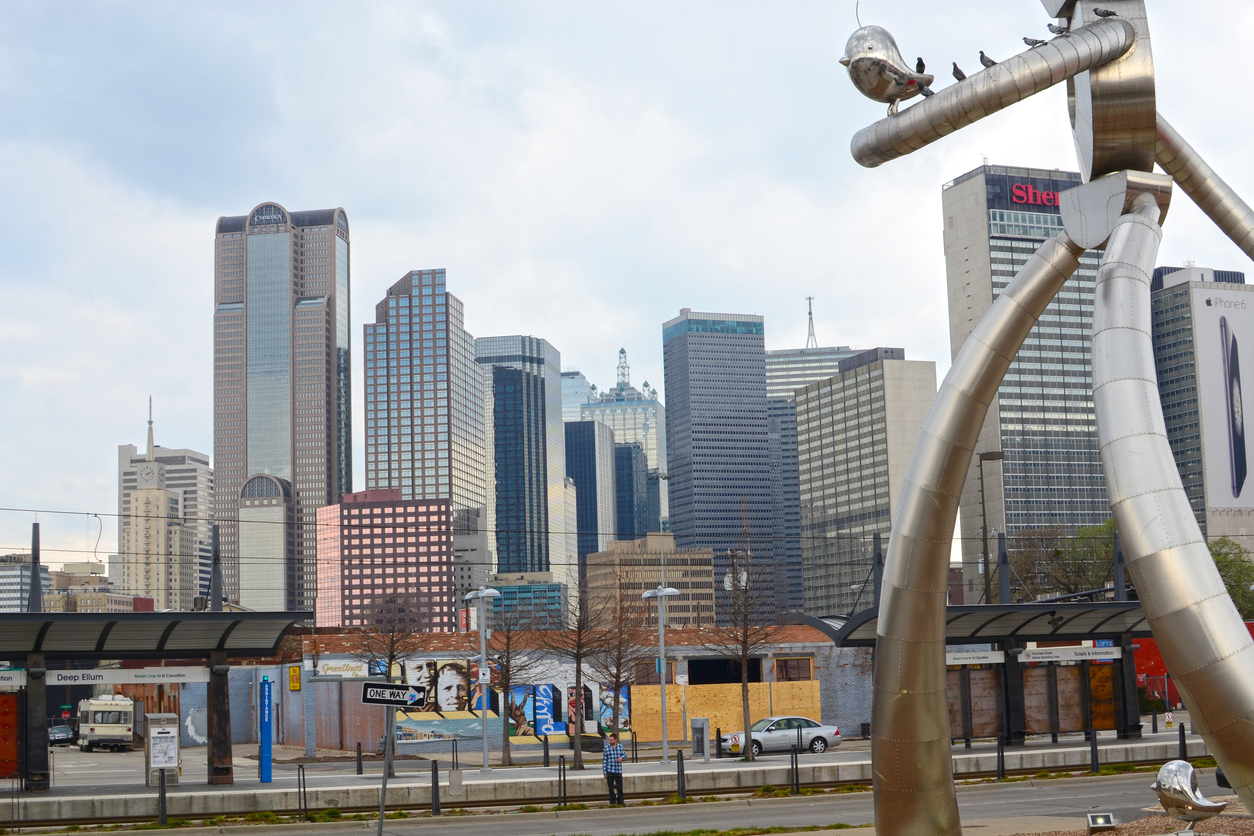
Just east of downtown Dallas, Deep Ellum is one of the city’s most recognizable entertainment districts. The neighborhood has a long history connected to blues, jazz, and live music, and today it remains a major nightlife destination.
Visitors will find live music venues, restaurants, bars, and colorful street murals throughout the district. Venues such as Trees, The Bomb Factory (now The Factory in Deep Ellum), and several smaller clubs continue the area’s music tradition.
Deep Ellum is particularly lively on weekend evenings, attracting visitors who come for concerts, nightlife, and street art photography. During the day, the neighborhood’s murals, coffee shops, and restaurants also make it a popular place to explore.
Uptown and Oak Lawn: Trendy Living in Dallas’ Urban Core
North of Downtown Dallas, the neighborhoods of Uptown and Oak Lawn form one of the city’s most vibrant urban areas.
Uptown is known for its modern apartment buildings, walkable streets, and proximity to attractions like Klyde Warren Park, the Katy Trail, and the American Airlines Center. Restaurants, bars, and cafes line many of the district’s streets, making it a popular place for young professionals.
Nearby Oak Lawn has long been recognized as one of Dallas’s most welcoming and diverse neighborhoods, with a strong LGBTQ+ community and a lively dining and nightlife scene along Cedar Springs Road.
Together, these districts create one of Dallas’s most energetic urban environments, combining walkability, nightlife, and proximity to downtown.
McKinney: Historic Downtown Charm With Strong Community Appeal
Located north of Dallas, McKinney offers a different lifestyle centered around its beautifully preserved historic downtown square.
Downtown McKinney features 19th-century architecture, locally owned boutiques, restaurants, art galleries, and community events throughout the year. The area regularly hosts festivals, farmers markets, and seasonal celebrations that attract visitors from across the region.
Beyond the historic district, McKinney has experienced steady growth with new residential neighborhoods and business developments. Despite that growth, the city maintains a reputation for small-town charm combined with modern amenities.
Frisco: Fast-Growing City With Major Sports and Entertainment Developments
Frisco, located in Collin and Denton counties, is one of the fastest-growing cities in the DFW Metroplex. The city has gained national attention for its rapid development and concentration of sports and entertainment venues.
Major attractions include The Star in Frisco (the Dallas Cowboys’ headquarters and entertainment district), Riders Field, and the PGA of America headquarters. Frisco also features extensive residential developments, parks, and retail centers.
New mixed-use projects such as The Fields development are expected to add additional entertainment venues, offices, and retail spaces in the coming years. With strong schools, expanding business opportunities, and new attractions, Frisco has become a major destination for both families and professionals relocating to the region.
Fort Worth Lifestyle Districts: Cultural District, Sundance Square, and Magnolia Avenue
While many well-known lifestyle districts in the DFW Metroplex sit within Dallas, Fort Worth offers several vibrant neighborhoods worth exploring.
The Fort Worth Cultural District is one of the city’s most prominent areas, home to major institutions such as the Kimbell Art Museum, Modern Art Museum of Fort Worth, and Amon Carter Museum of American Art. Wide sidewalks, tree-lined streets, and museum plazas make the district a popular place for walking between galleries and nearby restaurants.
Sundance Square, located in downtown Fort Worth, is known for its lively pedestrian plaza surrounded by restaurants, theaters, and historic buildings. The district frequently hosts concerts, seasonal events, and outdoor gatherings.
Just south of downtown, Magnolia Avenue in the Near Southside neighborhood has developed into a hub for independent restaurants, breweries, coffee shops, and small boutiques. The street’s relaxed atmosphere and locally owned businesses make it a favorite weekend destination for residents.
Together, these Fort Worth districts showcase the city’s blend of arts, dining, and walkable entertainment areas.
Urban vs. Suburban DFW: Matching Neighborhoods to Your Lifestyle
The DFW Metroplex offers both urban districts and suburban communities, each appealing to different lifestyles.
Urban neighborhoods such as Deep Ellum, Uptown, and the Bishop Arts District emphasize walkability, nightlife, and access to restaurants and entertainment.
Suburban cities such as Frisco, Plano, and McKinney focus more on family-friendly neighborhoods, larger homes, and proximity to highly rated school districts.
Both styles of living offer advantages. Urban districts provide energy, culture, and nightlife, while suburban communities often provide more space, quieter neighborhoods, and extensive parks and recreation.
Exploring these districts helps visitors and potential residents discover which parts of the DFW Metroplex best match their interests and lifestyle preferences.
Dining and Entertainment Highlights Across DFW Districts
Many lifestyle districts across the DFW Metroplex are known not only for walkability but also for their restaurants, breweries, and nightlife venues.
In the Bishop Arts District, visitors can explore a variety of independent restaurants and cafes alongside boutique shops and art galleries. The neighborhood’s compact layout makes it easy to walk between dinner spots, coffee shops, and live music venues.
Deep Ellum is well known for its concentration of live music venues, bars, and street art. In addition to concerts, the district features breweries, cocktail bars, and late-night dining options.
In Uptown, restaurants and patios line streets near the Katy Trail and McKinney Avenue, while nearby Klyde Warren Park regularly hosts food trucks and outdoor events.
These districts highlight how dining and entertainment often anchor the lifestyle appeal of many DFW neighborhoods.
Transit and Accessibility in DFW Lifestyle Districts
Transportation access plays an important role in how easily visitors and residents can explore DFW lifestyle districts.
In Dallas, the DART (Dallas Area Rapid Transit) light-rail system connects several parts of the city, including stations near Downtown Dallas, Deep Ellum, and Uptown. Light rail lines also extend to surrounding cities such as Plano and Garland.
Fort Worth operates Trinity Metro, which provides bus service and connections to downtown destinations such as Sundance Square and the Cultural District.
Many lifestyle districts also offer parking garages, street parking, and rideshare access, making it possible to move between neighborhoods even when public transit options are limited.
Understanding how each district connects to transit or major highways can help visitors plan their routes across the metroplex more efficiently.
How to Spend an Afternoon in Bishop Arts or Deep Ellum
Many visitors enjoy exploring DFW lifestyle districts by spending several hours walking between shops, restaurants, and entertainment venues.
In the Bishop Arts District, a typical afternoon might begin with coffee at a neighborhood café, followed by browsing local boutiques and art galleries. Afterward, visitors often stop for lunch or dessert before catching a performance at the Kessler Theater or another nearby venue.
In Deep Ellum, visitors often start by exploring the district’s famous street murals, stopping for lunch or craft coffee before browsing record stores or local shops. As evening approaches, the neighborhood gradually transitions into one of Dallas’s most active nightlife districts with live music and dining options.
Short visits like these allow travelers to experience the unique character of each district without needing a full day itinerary.